
Location: South Eastern Region, Malta
Type: Capital City / UNESCO World Heritage Site
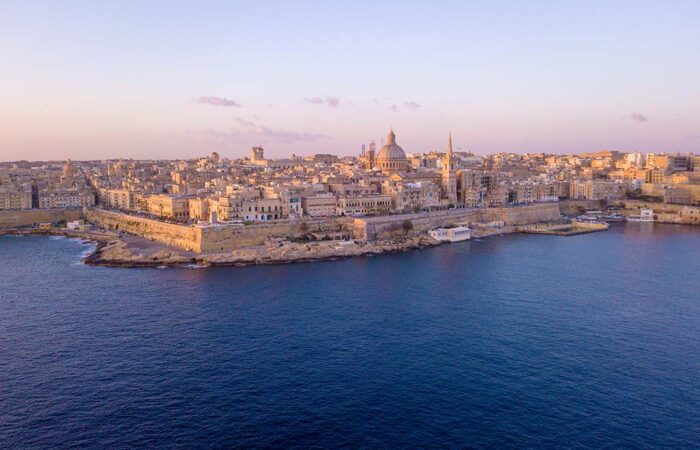
Valletta is the capital city of Malta and the country’s main political, cultural, and commercial centre. Built after the Great Siege of 1565, the city reflects the rich history of the Knights of St John and the strategic importance of Malta in the Mediterranean.
Construction of Valletta officially began in 1566 under Grand Master Jean Parisot de Valette, after whom the city was named. As a result, Valletta developed into a carefully planned fortified city with straight streets, defensive bastions, and impressive Baroque buildings.
Although Valletta is one of the smallest capital cities in Europe, it contains an extraordinary number of historical landmarks and monuments. In addition, the city is famous for its narrow streets, colourful balconies, churches, palaces, museums, and panoramic harbour views.
Visitors can explore important attractions such as St John’s Co-Cathedral, the Grand Master’s Palace, Fort St Elmo, and the Upper Barrakka Gardens. Furthermore, Valletta offers a lively atmosphere with cafés, restaurants, theatres, shops, and cultural events throughout the year.
The city also serves as an important cultural centre in Malta. Therefore, festivals, concerts, exhibitions, and national celebrations regularly take place across Valletta.
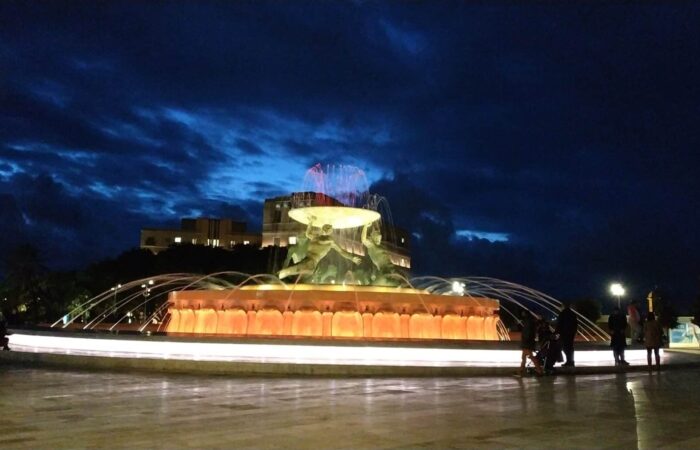
Valletta is also home to beautiful waterfront areas and traditional Maltese architecture. Meanwhile, many historic buildings now house museums, boutique hotels, galleries, and restaurants that attract visitors from around the world.
Today, Valletta attracts thousands of tourists who come to experience its architecture, museums, waterfront areas, and traditional Maltese atmosphere. Moreover, the city continues to combine historical heritage with modern city life.
In 2018, Valletta became the European Capital of Culture, which helped increase international tourism and restoration projects across the city.
Valletta played a major role in the military and political history of Malta for several centuries. The city was designed as a fortified stronghold to defend Malta from future Ottoman attacks after the Great Siege of 1565.
The advanced defensive walls, bastions, and forts became some of the finest examples of Renaissance military engineering in Europe. Meanwhile, the Knights of St John transformed Valletta into an important Mediterranean centre for trade, religion, and naval operations.
During the British colonial period, Valletta remained strategically important because of its location between Europe, North Africa, and the Middle East. Consequently, the Grand Harbour developed into a major naval base for the British Royal Navy.
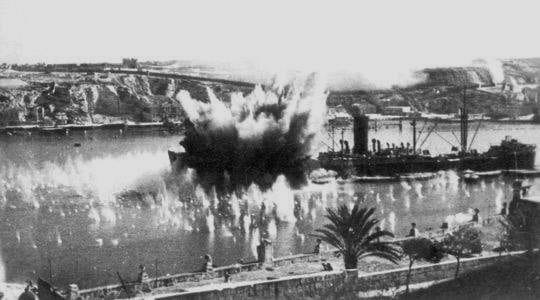
The city suffered heavy bombing during the Second World War due to Malta’s military importance. However, restoration projects later helped preserve Valletta’s historic appearance and cultural heritage.
Despite wartime destruction, Valletta survived and became a symbol of resilience for the Maltese people. In addition, many restored buildings continue to reflect the city’s rich architectural and cultural history.
In 1980, UNESCO officially recognised Valletta as a World Heritage Site because of its exceptional historical and architectural value. Today, the city remains one of the leading cultural and tourism destinations in Malta.
The best time to visit Valletta is during spring and autumn when the weather is pleasant and sightseeing conditions are ideal. In addition, these seasons usually bring fewer tourists compared with the busy summer months.
Valletta is connected to all major towns in Malta by public bus services. Ferry routes also connect Valletta with Sliema and the Three Cities. Visitors can easily explore the city on foot because many attractions are located close together inside the historic centre.
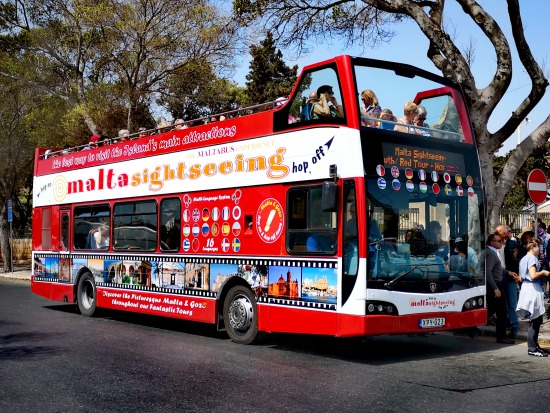
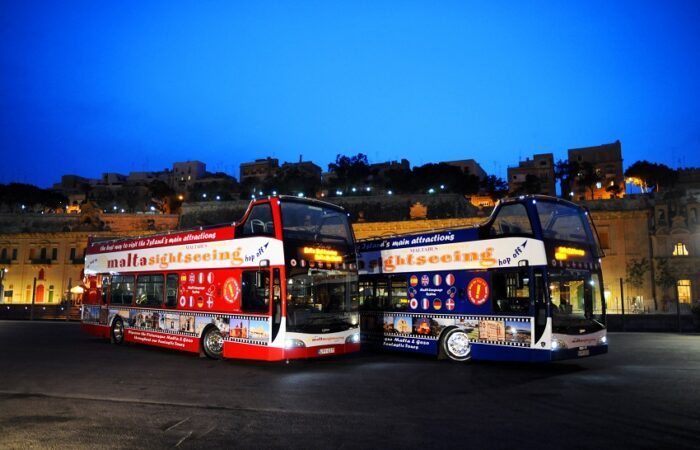
Open-top sightseeing buses also stop in Valletta and connect the town with popular places across Malta, including Mdina, Sliema, the Blue Grotto, and St Julian’s.




 Deutsch
  English (UK)
  Italiano
  Français
  Polski
  Български
  Русский
  Español
  Română