
Malta is one of the Mediterranean’s most captivating destinations, offering a remarkable blend of ancient history, beautiful beaches, dramatic coastlines, and vibrant towns. Whether you’re exploring UNESCO World Heritage Sites, relaxing by the sea, or discovering centuries-old fortifications, Malta promises an unforgettable holiday.
Whether you’re planning a weekend city break, a beach holiday, or a cultural adventure, Malta has something for everyone. Moreover, its warm climate, excellent transport links, and English-speaking population make it one of the easiest Mediterranean destinations to explore.
Here’s everything you need to know before visiting Malta.
Malta lies in the heart of the Mediterranean Sea, approximately 90 kilometres south of Sicily e 290 kilometres north of Libya. The country consists of three inhabited islands:
Malta International Airport, located near Valletta, serves as the country’s main gateway and offers direct flights to many European cities.
Malta combines fascinating history with beautiful beaches, dramatic coastal scenery, and a lively Mediterranean atmosphere.
Furthermore, the island boasts one of the world’s highest concentrations of historic monuments, including prehistoric temples that are older than the Egyptian pyramids. At the same time, visitors can enjoy colourful fishing villages, luxury marinas, vibrant nightlife, and excellent restaurants.
Consequently, Malta appeals to history lovers, beachgoers, divers, families, and couples alike.
Malta’s capital, La Valletta, is a UNESCO World Heritage Site and one of Europe’s smallest capitals. Built by the Knights of St John during the sixteenth century, the city impresses visitors with its grand architecture, historic streets, museums, and panoramic harbours.
Don’t miss St John’s Co-Cathedral, the Giardini di Barrakka superiore, and the Grand Master’s Palace.
Known as the Silent City, Mdina served as Malta’s capital for centuries.
Today, its narrow streets, medieval buildings, and magnificent city walls transport visitors back in time. Furthermore, the elevated position offers spectacular views across much of the island.
Across the Grand Harbour from Valletta lie Vittoriosa (Birgu), Senglea (Isla), and Cospicua (Bormla), collectively known as the Tre città.
These historic towns provide a quieter alternative to Valletta while offering beautiful waterfront promenades, impressive fortifications, and fascinating museums.
Located between Malta and Gozo, the la Laguna Blu sull' Comino is famous for its crystal-clear turquoise waters and is one of the country’s most popular natural attractions.
Whether you arrive by ferry, private boat, or organised excursion, the Blue Lagoon offers excellent opportunities for swimming, snorkelling, and relaxing in a spectacular Mediterranean setting. However, if you plan to go ashore at the Blue Lagoon, you must book a free visitor pass in advance through the official booking system. The reservation generates a QR code, which you must present on arrival during your selected time slot. The system helps protect the fragile environment and limits the number of visitors each day.
Malta’s prehistoric temples are among the oldest free-standing structures in the world.
Sites including Ħaġar Qim, Mnajdra, and Tarxien Temples form part of the UNESCO World Heritage listing and offer an incredible glimpse into one of Europe’s earliest civilisations.
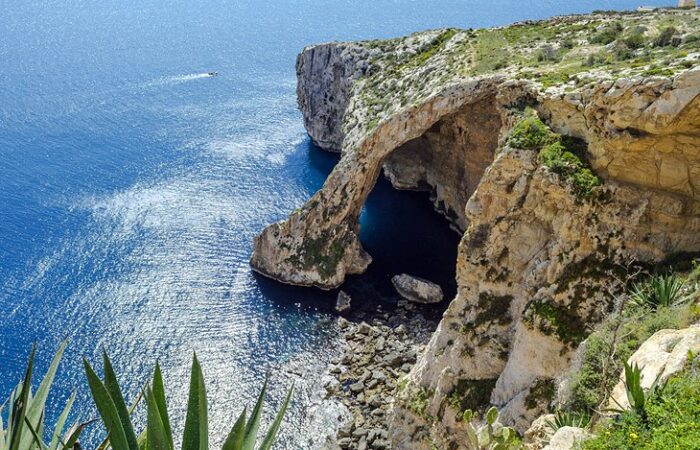
L' Grotta Blu is one of Malta’s most photographed natural attractions.
Visitors can take a boat trip into the sea caves, where sunlight creates spectacular shades of blue beneath the cliffs.
The traditional fishing village of Marsaxlokk is famous for its colourful luzzu boats, seafood restaurants, and lively Sunday fish market.
Consequently, it remains one of Malta’s favourite destinations for both locals and tourists.
Originally built as a film set for the 1980 movie Popeye, this colourful seaside village has become one of Malta’s most popular family attractions.
Visitors can explore the village, enjoy boat rides, and swim in the surrounding bay.
L' Le Scogliere di Dingli offer some of Malta’s highest coastal viewpoints.
Furthermore, the area is perfect for walking, photography, and watching unforgettable Mediterranean sunsets.
For shopping, nightlife, and waterfront dining, head to St Julian’s e Sliema.
Together, these neighbouring towns offer luxury hotels, lively bars, modern shopping centres, and scenic promenades overlooking Valletta.
Malta offers a variety of sandy beaches and rocky coves.
Some of the most popular include:
Whether you prefer relaxing on golden sand or snorkelling in crystal-clear water, Malta has a beach to suit every traveller.
Malta is an excellent destination for outdoor adventures.
Popular activities include:
Furthermore, Malta’s mild climate makes outdoor activities possible throughout much of the year.
Although you can see many highlights in three days, spending five to seven days allows you to explore Malta, Gozo, and Comino without rushing.
If you’re interested in history, diving, or hiking, you may wish to stay even longer.
Malta enjoys more than 300 days of sunshine each year.
Spring offers pleasant temperatures and colourful countryside, making it ideal for sightseeing.
Summer brings hot weather, lively festivals, and excellent beach conditions.
Autumn combines warm seas with fewer crowds, while winter remains mild compared with much of Europe and is perfect for exploring historic sites.
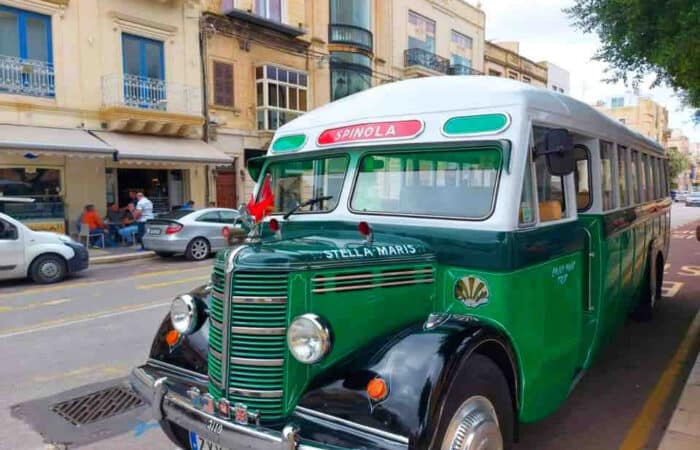
Malta has an extensive public bus network connecting the island’s main towns and attractions.
Alternatively, visitors can hire a car, although roads can become busy during peak season. Taxis, ride-sharing services, and organised tours also provide convenient ways to explore.
Furthermore, regular ferries connect Malta with Gozo and Comino.
Some of Malta’s best places to stay include:
Each destination offers a different experience depending on your travel style.
Malta’s cuisine blends Mediterranean and Sicilian influences.
Don’t miss:
Furthermore, many traditional restaurants continue to serve recipes that have been enjoyed for generations.
Absolutely. Malta offers an exceptional combination of history, culture, beautiful beaches, outdoor activities, and year-round sunshine.
A stay of five to seven days gives you enough time to explore Malta’s main attractions as well as Gozo and Comino.
Not necessarily. Public buses connect the main attractions, while organised tours provide another convenient option. However, hiring a car gives you greater flexibility if you plan to explore rural areas and hidden beaches.
Malta is famous for Valletta, the Megalithic Temples, the Blue Lagoon, St John’s Co-Cathedral, beautiful diving sites, and its rich history linked to the Knights of St John.
Malta offers accommodation and dining options for every budget. While popular tourist areas can be more expensive during summer, you’ll also find excellent value in local restaurants, guesthouses, and self-catering apartments.
Malta offers an unforgettable mix of ancient history, UNESCO World Heritage Sites, beautiful beaches, charming towns, and spectacular coastal scenery. Whether you’re exploring the streets of Valletta, relaxing beside the Blue Lagoon, discovering prehistoric temples, or enjoying fresh seafood by the sea, every corner of the island has its own unique story.
With its welcoming atmosphere, excellent climate, and wealth of attractions, Malta remains one of the Mediterranean’s most rewarding destinations. Whether it’s your first visit or your fifth, Malta is a place you’ll want to return to time and again.



 Italiano
  English (UK)
  Français
  Polski
  Български
  Русский
  Español
  Deutsch
  Română